Skokie Sewage Cleanup Pros · Available 24/7
Sewage Cleanup in Skokie, Illinois
Help with sewer backups, day or night.
A sewer backup can leave dirty water in your home or business. We remove the water, clean affected areas, and dry wet materials. Call any time for help with a small or large backup.
Fast response for small and large sewer backups in Skokie, Evanston, Lincolnwood, and all nearby communities.
Residential & commercial
Sewage cleanup for homes and businesses
Tell us what type of property needs help. We plan the work around the damage, building access, and people who use the space.
Homes
Cleanup for basements, bathrooms, laundry rooms, and other rooms in your home.
Condos
Help for condo units, apartments, and shared areas. We work with owners and building managers.
Office Buildings
Cleanup for work areas, restrooms, and halls, with a plan to limit disruption.
Retail
Help with sales floors, stockrooms, and customer areas after a sewage backup.
Restoration Pros disaster cleanup
Why property owners trust our team
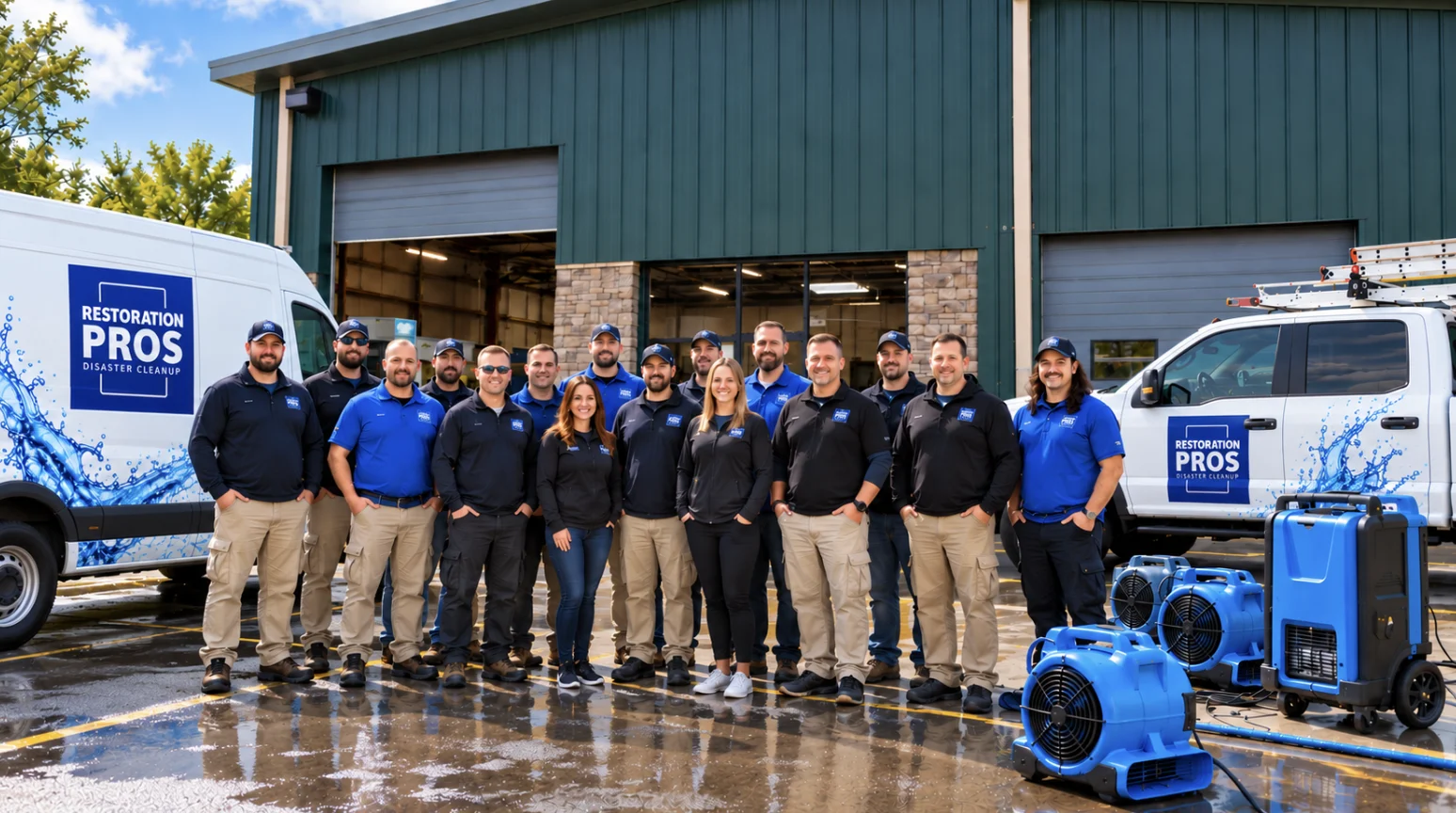
Our disaster pros have helped Chicagoland property owners for over 20 years. We can help get your property cleaned and restored quickly after a sewer backup. We handle small and large jobs in homes and businesses. Before work starts, we explain what needs to be done and answer your questions. We keep you updated through cleanup and drying, so you know what’s happening and what comes next.
- 24-hour emergency response
- 60-minute rapid response
- IICRC certified
- BBB registered
- Photos and drying records for your claim
Sewer backup cleanup
Help with dirty water, damaged materials, and drying
If sewage has backed up into your basement, bathroom, or work area, keep people out of the room and call for help. We help Skokie homeowners and business owners clean up dirty water and the damage it leaves behind. Tell us if water is still coming in so we can discuss the first step. Depending on where the sewage backup started, we may need to coordinate with a plumber to clear blocked lines before we can safely remove the backup.
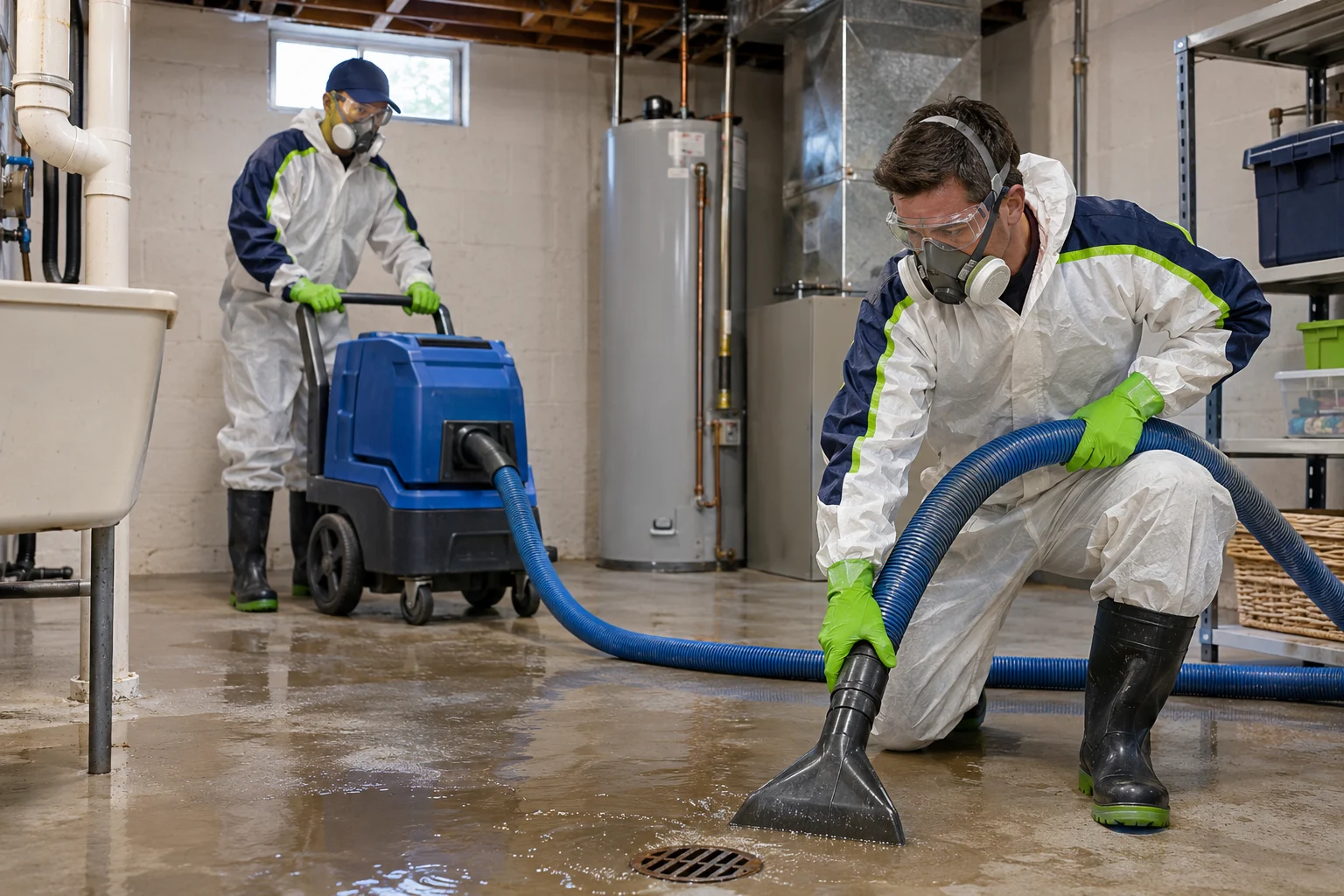
We start by checking where the water went. Sewage can soak into carpet, drywall, and insulation, so some items may need to be removed. We explain what can be cleaned, what needs removal, and how we will protect rooms that were not affected.
After the sewage is removed, we clean affected surfaces and check for water trapped in floors and walls. Drying equipment and moisture readings help us track the work. We explain what still needs repair before wet areas are closed up or new finishes are installed.
What happens next
How we clean up a sewage backup
We find the affected areas, discuss the source, and explain how we will protect clean spaces.
We remove dirty water and debris. Materials that cannot be cleaned are removed, and suitable surfaces are cleaned and treated.
We use drying equipment and check moisture levels in walls, floors, and framing to track progress.
We record the work and explain what is dry, what needs more attention, and which repairs may still be needed.
Cleaning and drying
Why pumping out the water is only the first step
A backup can spread beyond the puddle you see. Water may reach under flooring, behind walls, or into stored belongings. We check these areas and explain the work needed to clean up the damage.
Some materials absorb sewage and may not be safe to keep. Carpet padding, insulation, and damaged drywall may need removal. We explain these choices before work starts. Cleaning the source of an odor matters more than covering it with a scent.
Structural drying means removing moisture from the parts of the building that are still wet. We use equipment such as dehumidifiers and take moisture readings to track drying. Floors and walls can look dry while water remains inside, so we check before repairs cover those areas.
What we explain before work begins
- Where the water came from and whether a plumber is needed
- Which rooms and materials were affected
- What can be cleaned and what may need removal
- How we will clean and dry the space
- The proposed work, cost, and next steps
The size of the backup, damaged materials, and drying needs affect the cost and timeline. We review the proposed work with you and explain changes if we find more damage. Ask whether the estimate includes removal, cleaning, drying, and the handling of affected belongings. Knowing where cleanup ends also helps you plan any repairs that will follow.
Your property
How does cleanup differ by building?
Homes: protect living areas and belongings
We check rooms, floors, walls, and stored items touched by the backup. We explain what can be cleaned, what needs removal, and how to keep people out of the work area.
Condos and apartments: work with building management
Dirty water may reach more than one unit or a shared area. We discuss access and the affected spaces with the owner or manager. A plumber may need to repair the shared line that caused the backup.
Office buildings: plan around staff and access
We discuss affected rooms, work areas, and access routes with the building contact. The cleanup plan includes how to keep people away from dirty areas and limit disruption to the rest of the office.
Retail: check customer areas and stored goods
We check floors, fixtures, stockrooms, and items touched by the water. We record the damage and explain the cleanup and drying work needed before affected areas can be used again.
Sewage cleanup in Skokie and nearby communities
We help property owners in Skokie, Evanston, Lincolnwood, and nearby communities. Skokie’s combined sewer system carries both wastewater and stormwater. Heavy rain can add pressure to that system and lead to backups. Inside a finished basement, the work may include cleaning up sewage and drying wet floors or walls.
If water is still coming in, stopping the source is part of the plan. A plumber or the Village may need to check the sewer problem. Our cleanup work addresses the dirty water and damage inside your property. You can also read the Village’s sewer system guidance.
Insurance help
We work with your insurance company
We offer direct insurance billing and provide photos, work notes, and drying records for your claim. We can explain the cleanup work to your adjuster and answer questions about the job. Your insurer decides what your policy covers and what you must pay.
Names are shown for reference. They do not mean these insurers endorse us or that your policy covers a sewer backup.
Your sewage cleanup questions
What should I do first after a sewer backup?
Keep people and pets out of the affected area. Stop using plumbing fixtures connected to the backed-up line. Do not touch sewage or enter standing water near electrical equipment. Call for help and tell us whether water is still coming in.
Do I need a plumber or a sewage cleanup company?
You may need both. Depending on where the sewage backup started, we may need to coordinate with a plumber to clear blocked lines before we can safely remove the backup. We handle the dirty water, cleaning, and drying inside your property.
Do you provide septic-system pump-out service?
No. We do not provide pump-out service for septic systems. Contact a septic-service company for tank pumping or septic-system repairs. If sewage has entered your home or business, call us to discuss cleaning and drying the affected areas.
Can carpet and drywall touched by sewage be saved?
Some materials may need to be removed. Sewage can soak into carpet padding, drywall, and insulation, making them hard to clean. We check the affected materials and explain what can be kept and why other items need replacement.
Why do floors and walls need drying after the water is gone?
Water can remain under floors and inside walls after the surface looks dry. We use drying equipment and moisture readings to check these areas before repairs cover them. Removing the puddle alone does not mean the building is dry.
How long does sewage cleanup take?
The time depends on the size of the backup, the materials affected, and how much drying is needed. We explain the expected steps after checking the damage. We also let you know if wet areas need more time or if we find more damage.
Can we stay in the building during cleanup?
That depends on the areas affected and whether the work can be kept separate from occupied rooms. Keep people and pets out of areas touched by sewage. We will discuss access and use of the building after we check the damage.
How much does sewage cleanup cost?
The price depends on the size of the affected area, materials that need removal, access, and drying needs. We review the proposed work and cost with you before the job starts. A small bathroom backup and a large basement loss need different plans.
Will insurance cover a sewer backup?
Coverage depends on your policy. Some policies need an added sewer-backup endorsement. Ask your insurer what is covered and what deductible applies. We offer direct billing and cleanup records, but your insurer makes the coverage decision.
Need help with a sewer backup?
Call 24/7. Tell us where the water is and whether the backup is still active.